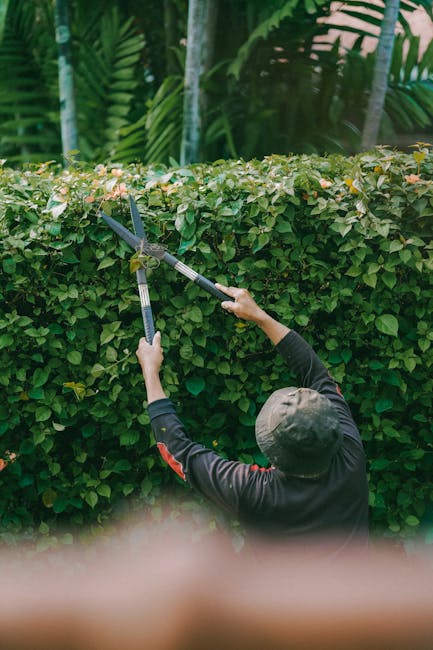
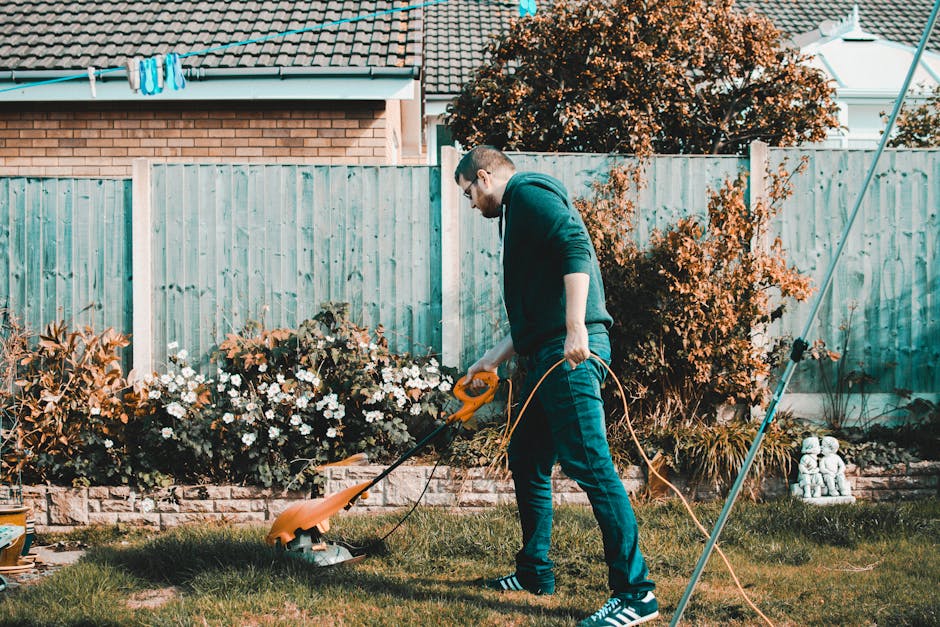
Garden maintenance near Leytonstone Station fast quotes
If you are searching for garden maintenance near Leytonstone Station fast quotes, chances are your outdoor space needs attention sooner rather than later. Maybe the lawn has got a bit wild, the hedges are losing their shape, or weeds have decided they own the place. It happens. And when you want a quick response, you do not want endless waiting or vague pricing that leaves you guessing.
This guide breaks down what fast quotes usually involve, how local garden maintenance works, what affects price, and how to choose a service that feels reliable rather than rushed. You will also find a practical checklist, common mistakes to avoid, and a realistic look at what good garden care should include for homes and managed properties near Leytonstone Station.
For readers wanting to compare wider service options, the main garden maintenance service and the broader gardening services pages can help set expectations before you request a quote.
Table of Contents
- Why fast garden maintenance quotes matter in Leytonstone
- How the quote process usually works
- Key benefits and practical advantages
- Who this is for and when it makes sense
- Step-by-step guidance
- Expert tips for better results
- Common mistakes to avoid
- Tools, resources and recommendations
- Law, compliance, standards and best practice
- Options, methods, or comparison table
- Case study or real-world example
- Practical checklist
- Conclusion
- Frequently asked questions
Why Garden maintenance near Leytonstone Station fast quotes Matters
In a busy part of East London, gardens can move from "fine for now" to "needs a proper reset" surprisingly quickly. Small courtyards, front gardens, shared spaces, and back gardens all pick up mess in different ways. Wind carries debris, hedges thicken fast, patios stain, and lawns can struggle when the season turns damp or dry.
That is why speed matters. A fast quote is not just about convenience. It helps you decide whether a job is manageable, urgent, or better split into stages. If a hedge is blocking light, ivy is creeping over fences, or the lawn has become patchy and uneven, waiting weeks for someone to get back to you can make the whole job harder and more expensive.
There is also a trust element. A prompt, clear quote often signals that the gardener is organised, used to local properties, and able to assess work without fuss. To be fair, that alone can save a lot of back-and-forth. You want straight answers, not a mystery novel.
People often search for quick quotes because they need a practical decision, not a long consultation. A homeowner might be preparing for visitors. A landlord might need a tidy outdoor area between tenancies. A family might just want weekends back. Whatever the reason, a timely response helps you act while the problem is still straightforward.
How Garden maintenance near Leytonstone Station fast quotes Works
The process is usually simple, though the quality of the quote can vary quite a bit. Most garden maintenance jobs start with an enquiry, followed by a quick review of the garden's size, condition, access, and the tasks you need done. Sometimes that can be handled from photos. Sometimes a visit is better, especially if the garden is overgrown or has awkward access.
Fast quotes work best when you provide useful details up front. That includes what needs doing, how often you need it, and whether there are any problem areas such as steep steps, heavy waste removal, damaged fencing, or particularly tall hedges. If you are after one-off clearance rather than ongoing care, say so. It changes the scope a lot.
A sensible quote should normally reflect:
- the size of the garden or outdoor area
- the amount of labour involved
- the condition of grass, borders, hedges, and paving
- green waste removal, if needed
- specialist tasks such as hedge trimming, pruning, or patio cleaning
- how quickly the work needs to be scheduled
If you are unsure what type of service fits your situation, it can help to compare the lawn care and lawn mowing options with broader maintenance. A lawn-heavy garden may need a different approach from a border-filled courtyard or a space that also needs patio cleaning.
Quick quotes are most useful when they are still detailed. Fast does not have to mean vague. In fact, the best ones are usually the ones that strip away the nonsense and tell you plainly what will happen, when, and roughly how long it should take.
Key Benefits and Practical Advantages
Fast quotes are helpful for more than just speed. They can make the whole experience of booking garden care calmer and more predictable, which honestly is a big deal when your outdoor space is looking a bit sad.
1. You can act before small problems grow
Weeds, overgrowth, and moss do not politely wait. A quick quote helps you intervene early, before the job becomes a large clearance project. That often keeps costs more manageable and avoids damage to plants, paving, or fences.
2. You can compare like for like
A clear quote makes it easier to compare services on more than price alone. You can look at what is included, whether waste removal is covered, and whether the work is one-off or ongoing. That is a much fairer comparison than just picking the cheapest number on the page.
3. Your garden stays usable
When maintenance is handled regularly, outdoor spaces are easier to enjoy. A trim hedge gives more light. A tidy lawn looks cared for. Borders stop swallowing pathways. It is a small thing, but it changes how the whole property feels.
4. It can support property presentation
For landlords, letting agents, and homeowners preparing to sell, a neat garden can make a strong first impression. Not flashy. Just well kept. That is often enough.
5. It reduces stress
Let's face it, an overgrown garden has a way of nagging at you. You notice it every time you glance out the window. Fast quotes remove that friction and help you move from "I should deal with this" to "sorted."
Expert summary: The best value usually comes from a quote that is quick and specific. If a provider can assess the work clearly, explain the scope, and give realistic timing, you are in much better hands than someone who just throws out a number and hopes for the best.
Who This Is For and When It Makes Sense
This kind of service suits a wide range of people. Some need routine upkeep. Others need a rescue job. Both are valid, and both can benefit from a fast quote.
- Homeowners who want a tidy, manageable garden without spending every weekend on chores
- Busy professionals who need reliable maintenance but do not have time to coordinate everything themselves
- Landlords and property managers who want outdoor areas kept presentable between tenancies
- Older residents who may prefer help with heavier or repetitive tasks
- Families trying to make an outdoor space safer and more pleasant for children
- Pet owners who need clear paths, reduced mud, and fewer hazards
- People with overgrown gardens who need a reset after a period of neglect
It is also a sensible option if your garden has specific features that need regular attention. For example, if you have climbing plants, privacy hedging, or ivy taking hold, specialist pruning and trimming may be required. You can read more on related topics such as fast-growing hedges for privacy and removing ivy properly, both of which tie into maintenance planning.
There are also gardens that simply need a seasonal refresh. Early spring, the back end of autumn, and the damp stretch before winter can all expose issues quickly. A quote at the right time saves you from digging out tools on a Saturday morning and wondering where the day went.
Step-by-Step Guidance
If you want the quickest and most accurate quote possible, a little preparation goes a long way. Here is a practical approach that usually works well.
- Walk the garden first. Note what actually needs doing. Be specific: lawn cut, borders weeded, hedge trimmed, patio swept, waste removed, and so on.
- Take a few clear photos. Wide shots help with scale. Close-ups show problem areas. A cloudy day is fine, by the way. No need for perfect lighting.
- Measure where you can. Rough lawn size, hedge length, or patio area can help speed things up. Even approximate figures are useful.
- Decide whether this is one-off or regular. A single tidy-up is different from monthly or fortnightly maintenance.
- List access issues. Narrow side paths, no rear gate access, parking restrictions, or shared entrances all matter.
- Mention waste handling needs. If clippings, branches, or soil need removing, say so early.
- Ask what the quote includes. Labour, materials, waste disposal, and follow-up visits should be clear enough to understand.
- Check timing. If you need the work done quickly, ask when the earliest slot is rather than assuming.
- Confirm the maintenance priority. If budget is tight, ask what should be done first. A good gardener can often stage the work sensibly.
- Keep a record of the quote. It sounds basic, but a written summary helps avoid confusion later.
A small tip from real-world experience: if you know your garden has a couple of awkward problems, say them at the start. Hidden details are what slow quotes down. A forgotten steep slope or a shed tucked into a tight corner can change the whole plan.
Expert Tips for Better Results
Good garden maintenance is not just about cutting things back. It is about keeping the space healthy and easy to manage. A few thoughtful choices can save you a lot of repeat work.
Choose the right type of maintenance plan
If your garden grows quickly or has lots of borders and hedging, regular maintenance may work better than occasional call-outs. For more low-maintenance ideas, the article on budget-friendly low-maintenance gardens is worth a look.
Group jobs together where possible
It often makes sense to combine tasks. For example, hedge trimming and waste removal, or lawn care and border weeding. That can be more efficient than booking each job separately.
Think seasonally
A summer garden needs a different rhythm from a winter one. In colder months, you may need plant protection and debris clearance. If weather damage is a concern, the piece on protecting your garden from harsh weather gives useful context.
Do not ignore the hard surfaces
Lawns get the attention, but patios, paths, and decks affect the overall look just as much. A tidy border beside a dirty patio still looks unfinished. If decking needs care too, decking services may be relevant alongside garden upkeep.
Keep the brief clear but not overcomplicated
You do not need to write a novel. Just enough detail to let the gardener estimate properly. Clear, concise, helpful. That tends to get the best response.
Use maintenance to shape the garden, not just clean it
Good garden care can improve how a space functions. Maybe you want a seating corner, more light, or safer child-friendly areas. If that is part of the plan, some of the ideas in creating cosy seating nooks and designing a child-friendly garden may help you think more strategically.
Common Mistakes to Avoid
When people rush the quote process, a few problems come up again and again. They are easy to avoid once you know what to look for.
- Being too vague. "General tidy-up" sounds simple, but it can mean very different things to different people.
- Forgetting access details. A garden that is easy to enter from the back is a very different job from one with no side access.
- Not mentioning overgrowth. A small hedge trim and a full hedge recovery are not the same thing.
- Ignoring waste removal. Green waste can take time and space to handle, so it should be clear whether it is included.
- Choosing only by price. The cheapest quote can become expensive if it leaves out important work or charges extra later.
- Mixing one-off and ongoing needs. If you want repeat maintenance, say so. Otherwise you may be quoted for the wrong service type.
- Not checking what is actually included. Is weeding included? Are edges cut? Is the patio swept? Ask. Simple enough.
Another subtle mistake is underestimating the role of plant type. For example, container displays, herb patches, orchids, and climbers all need different levels of attention. A good gardener will understand that nuance, and you can see that thinking reflected in useful pages like container gardening, growing your own herb garden, and orchid care.
Tools, Resources and Recommendations
Even if you are hiring help, it is useful to know the basics of what the work may involve. That makes it easier to judge a quote and understand what a gardener is likely to need on the day.
For day-to-day jobs, gardeners often rely on simple, reliable kit: shears, secateurs, mowers, rakes, edging tools, gloves, and waste bags or bins. The article on essential gardening tools is a handy primer if you want to understand the basics without becoming obsessed with equipment. Nobody needs that. Tools are supposed to help, not become a personality.
Other useful resources and service areas to consider include:
- hedge trimming in Leytonstone for formal or overgrown boundaries
- lawn care for feeding, scarifying, or general grass recovery
- tree surgery where branches, canopy work, or safety concerns are involved
- fencing if maintenance has exposed rot, damage, or leaning panels
- landscaping if the garden needs a more structural refresh
If you are trying to keep things simple and cost-aware, a seasonal approach often works best. For example, trim and tidy in one visit, then schedule a lighter follow-up after growth peaks. That keeps the garden looking cared for without turning it into a constant project.
Law, Compliance, Standards, or Best Practice
Garden maintenance is not usually a heavily regulated service for the customer in the same way some trades are, but there are still sensible standards and duties to keep in mind. This is where a trustworthy provider stands out.
In practice, you want a service that treats safety seriously, handles waste responsibly, and communicates clearly. If a job involves ladders, tools, powered equipment, or the removal of large branches, then risk awareness matters. The company's health and safety policy and insurance and safety information are worth reviewing if you want peace of mind before booking.
Other best-practice points include:
- clear pricing and scope before work begins
- respect for neighbouring properties and shared access
- appropriate disposal of green waste
- care around wildlife, nesting areas, and sensitive planting
- honest communication if weather or access affects scheduling
For customer-facing clarity, useful support pages such as pricing and quotes, payment and security, and terms and conditions help show how a service handles expectations. That is a good sign. No drama, just transparency.
It is also sensible to know where to raise concerns if something does not go smoothly. A clear complaints procedure suggests the business has thought about customer care rather than hoping problems never happen. That is reassuring, and honestly quite rare in a good way.
Options, Methods, or Comparison Table
Not every garden needs the same kind of support. Sometimes the right answer is a quick tidy. Sometimes it is a deeper maintenance visit. Here is a simple comparison to help you decide.
| Option | Best for | Typical strengths | Watch-outs |
|---|---|---|---|
| One-off tidy-up | Gardens that have slipped a bit or need a reset | Fast visible improvement, useful before events or tenancy changes | May not solve underlying growth issues |
| Regular maintenance | Busy households, landlords, and fast-growing gardens | Keeps the space under control, often better long-term value | Needs scheduling and consistency |
| Specialist task booking | Hedges, lawns, patios, trees, fencing | Focused expertise for specific issues | Can become fragmented if the whole garden needs attention |
| Combined service visit | Mixed gardens needing several jobs at once | Efficient, practical, often easier to manage | Needs a clear brief so nothing gets missed |
If your space includes a lot of climbing growth or dense screening, a specialist approach may make more sense than a standard tidy. The posts on hedge trimming techniques and evergreen climbers for shady spots can help you think through the plants first, then the maintenance around them. That order matters more than people think.
Case Study or Real-World Example
Picture a typical small East London back garden near Leytonstone Station. It has a narrow lawn, a few border plants, a hedge at the rear, and a patio used for morning coffee and laundry drying when the weather behaves itself. After a wet month, the lawn is shaggy, the patio is slippery, and weeds are appearing along the edges. Nothing dramatic, but enough to feel unfinished every time the back door opens.
The owner wants a quick quote because they have guests coming at the weekend. They send a couple of photos, mention the approximate garden size, flag the hedge height, and note that they want the patio cleaned as well. That saves time immediately. Instead of a back-and-forth chain of questions, the gardener can assess the scope in one go.
The job is split into priorities: lawn cut, edging, weed removal, hedge trim, and a basic patio clean. Waste is taken away. The result is not a redesigned garden. It is better than that for the moment. It is a usable, tidy, pleasant space again. The kind where you can step outside and think, yes, that feels much better.
That is often the real win with fast quotes. Not perfection. Progress. And sometimes that is exactly what you need.
Practical Checklist
Use this checklist before requesting a quote or confirming a booking:
- Have I listed every task I want done?
- Do I know whether this is one-off or ongoing maintenance?
- Have I included photos or clear descriptions?
- Did I mention access issues, parking, or shared entry points?
- Do I need waste removal as part of the job?
- Are there any safety concerns, steep areas, or delicate plants?
- Do I want the lawn, hedge, patio, and borders handled together?
- Have I checked the provider's pricing and quote information?
- Am I clear on payment, timings, and what happens if weather interrupts the job?
- Do I want follow-up maintenance after the first visit?
If you can answer those points before you enquire, the quote process tends to be faster and much more accurate. And if you are still deciding what kind of support you need, the about us page can also help you get a feel for the team and the way they work.
Conclusion
Searching for garden maintenance near Leytonstone Station fast quotes is really about finding two things at once: speed and confidence. You want a quick response, yes, but you also want the quote to make sense, cover the right work, and lead to a garden that feels looked after rather than half done.
The best outcome usually comes from being clear about your needs, sharing a few photos, and choosing a service that explains the scope properly. That simple combination saves time, reduces surprises, and makes it easier to keep your outdoor space in good shape throughout the year.
If your garden has become one of those tasks you keep meaning to sort, this is a sensible place to start. A good quote should feel like the first step toward calm, not another item on the to-do list.
Get a free quote today and see how much you can save.
Sometimes a little outside order makes the inside feel lighter too. Funny how that works.
Frequently Asked Questions
How fast can I usually get a garden maintenance quote near Leytonstone Station?
In many cases, you can get a response quickly if you provide photos and a clear description of the work. The more detail you share up front, the faster and more accurate the quote tends to be.
What details should I include when asking for fast quotes?
Include the garden size, the tasks you need, access information, waste removal needs, and whether you want a one-off visit or regular maintenance. A few photos help a lot.
Is a fast quote the same as a rushed quote?
Not necessarily. A fast quote should still be specific and fair. If it feels vague or avoids key questions, that is usually a warning sign rather than a convenience.
Can one visit cover lawn mowing, hedge trimming, and patio cleaning?
Yes, often it can. Many gardens benefit from a combined visit, especially if the aim is to restore the whole space rather than just handle one isolated task.
What affects the cost of garden maintenance most?
Garden size, overgrowth, labour time, access, and waste removal are usually the main factors. Specialist work, such as tree or hedge work, can also affect the price.
Do I need regular maintenance or just a one-off tidy?
That depends on how fast your garden grows and how much time you want to spend on it. Busy gardens, rental properties, and spaces with hedging often work better on a regular schedule.
What if my garden is very overgrown?
That is still manageable. Just be honest about it. Overgrown gardens can take longer and may need a phased approach, but they are usually fixable with the right plan.
Should I ask about insurance and safety before booking?
Yes, absolutely. It is sensible to check that the provider takes safety seriously, especially if tools, ladders, or larger clearance work are involved.
Can I ask for quotes if I only need a small garden tidied?
Of course. Small spaces still need care, and quick quotes can be especially useful for courtyards, front gardens, and compact urban plots that need regular attention.
What is the difference between garden maintenance and lawn care?
Garden maintenance usually covers the wider outdoor space: borders, hedges, weeds, and general tidying. Lawn care focuses more on the grass itself, such as mowing, feeding, and improving condition.
How do I compare two quotes properly?
Check what is included, whether waste removal is covered, how long the work should take, and whether the quote is for a one-off or ongoing service. Price alone rarely tells the full story.
What should I do if the quote misses something important?
Ask for clarification before booking. A good provider should be happy to adjust the scope or explain what would be treated as extra work. That conversation is normal, not awkward.