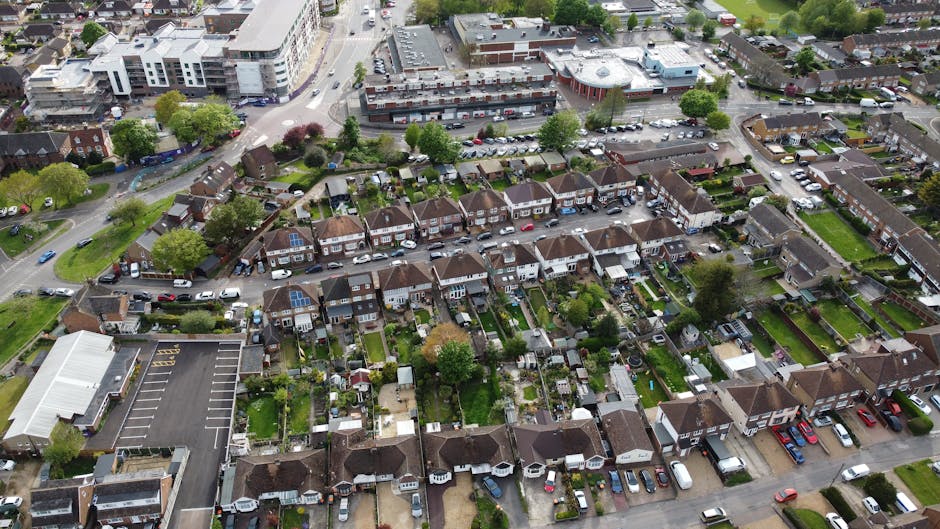
Gardeners for Francis Road Leytonstone E11 local teams: a practical guide for local garden care
If you live near Francis Road in Leytonstone E11, you already know that a good garden has to work hard. It needs to handle London weather, fit around busy routines, and still look tidy enough that you feel pleased every time you step outside. That is where Gardeners for Francis Road Leytonstone E11 local teams come in. The right team can keep the basics under control, shape planting so it actually thrives, and make sure your outdoor space feels usable instead of stressful. Sounds simple. In real life, it often is not.
This guide explains what local gardening teams do, how the service usually works, what to expect from a reputable crew, and how to decide whether you need one-off help or ongoing maintenance. Along the way, you will find practical tips, common mistakes, and a few local-friendly ideas for making the most of a compact urban garden. If you want to explore the wider service picture too, it can help to look at gardening services, routine garden maintenance, or even the team's broader about us page for background. And if you already know what you need, you can always make an enquiry through the contact page.
Table of Contents
- Why Gardeners for Francis Road Leytonstone E11 local teams Matters
- How Gardeners for Francis Road Leytonstone E11 local teams Works
- Key Benefits and Practical Advantages
- Who This Is For and When It Makes Sense
- Step-by-Step Guidance
- Expert Tips for Better Results
- Common Mistakes to Avoid
- Tools, Resources and Recommendations
- Law, Compliance, Standards, or Best Practice
- Options, Methods, or Comparison Table
- Case Study or Real-World Example
- Practical Checklist
- Conclusion
- Frequently Asked Questions
Why Gardeners for Francis Road Leytonstone E11 local teams Matters
Francis Road has a distinct local feel: front gardens that can be seen at a glance, rear gardens that often have limited space, and outdoor areas that have to cope with shade, bin access, paving, pets, and the usual coming-and-going of daily life. That makes local knowledge matter more than people sometimes expect. A team that works in the area regularly will have a better sense of what survives, what gets waterlogged, which hedges get out of hand, and where small gardens can be made to feel bigger with a few careful choices.
To be fair, anyone can cut grass. The real value comes from knowing how to keep a garden healthy over time. That might mean spacing plants so air can move around them, trimming shrubs before they swallow a path, or choosing low-maintenance borders that do not become a weekly chore. A local team also tends to be better at planning around the practical realities of an E11 property: narrow side access, shared boundaries, small paving areas, and the kind of seasonal mess that arrives just when you thought you were on top of it.
There is also a trust element. When a gardener is genuinely local, communication is usually easier and visits are more straightforward to arrange. That makes the whole process feel less like a logistical puzzle. If you have ever put off a garden job because it looked too big to explain over the phone, you will know what I mean.
How Gardeners for Francis Road Leytonstone E11 local teams Works
Most local garden work starts with a simple conversation. The team looks at what you want done, what the space is like, and how often you want help. Sometimes the job is a one-off reset. Sometimes it is a maintenance plan. Often, honestly, it is a bit of both.
In a typical visit, a gardener may assess the condition of the lawn, borders, hedges, hard surfaces, and any problem areas such as ivy, weeds, drainage patches, or overgrown shrubs. From there, they can prioritise tasks. A tidy-up after a long gap in maintenance is usually different from regular care. One is about control. The other is about keeping momentum.
For example, a property near Francis Road may need hedge trimming, a careful mow, border weeding, and a quick clean of the patio or decking. Another home might be better served by planting advice, seasonal pruning, and a plan for managing shade in the back garden. This is where local teams earn their keep: not by applying the same formula to every garden, but by adjusting to the site.
If you want to understand the service structure more broadly, it is worth looking at pages such as lawn mowing, lawn care, hedge trimming, and patio cleaning. Those services often sit together in real projects, especially in compact London gardens where every surface is visible and every corner seems to collect something. Leaves, moss, an odd sprawl of weeds. The usual suspects.
Key Benefits and Practical Advantages
There are obvious benefits to hiring local gardeners, but the less obvious ones are often the most valuable.
- Better fit for the space: Local teams tend to understand typical E11 garden layouts and can work around awkward access, neighbour boundaries, and compact plots.
- Regular upkeep without the faff: If the garden is maintained little and often, you avoid those overwhelming reset jobs that can take a whole weekend.
- Healthier planting decisions: A gardener with local experience can steer you towards plants that cope better with shade, wind, or occasional dry spells.
- Safer, tidier outdoor areas: Cut back overgrowth, clear slippery surfaces, and reduce trip hazards. Small thing, big difference.
- More usable outdoor space: When paths, seating areas, and borders are kept in shape, the garden becomes somewhere you actually want to use.
- Less waste and less guesswork: Good gardeners know what to prune, what to feed, and what to leave alone for now.
A local gardening team can also help you avoid expensive overcorrection. That is a real issue. People sometimes think a garden needs stripping back hard when it actually needs selective pruning, soil improvement, and a bit of patience. One over-enthusiastic cut later, and the space looks worse than before. Been there? Plenty of people have.
There is a practical emotional benefit too. A well-kept garden is simply easier to live with. You notice it when you open the back door on a fresh morning and the space does not greet you with chaos. The smell of cut grass, clean paving, and damp soil has a calming effect, even if you are only out there for two minutes with a mug of tea.
Who This Is For and When It Makes Sense
Gardeners for Francis Road Leytonstone E11 local teams are a strong fit for people who want their outdoor space handled properly but do not want the hassle of doing everything themselves. That includes busy households, landlords, older residents, families with children, pet owners, and anyone whose garden has outgrown their available time.
It also makes sense if your outdoor area has one or more of these characteristics:
- the lawn is patchy, uneven, or simply too much to keep up with
- hedges or climbers are creeping into paths, fences, or neighbouring areas
- the patio or decking has become slippery, stained, or neglected
- borders are full of weeds, self-seeded growth, or plants that are no longer in the right place
- you want to improve privacy without turning the garden into a wall of green
- you are planning a more child-friendly, dog-friendly, or low-maintenance layout
Sometimes the trigger is seasonal. After winter, a lot of gardens need a reset. After summer, they need a tidy-up and a plan for autumn. And after a few busy months, a small plot can feel surprisingly intimidating. That is where external help stops being a luxury and starts making ordinary life easier.
If you are not sure whether you need maintenance, planting support, or a bigger redesign, a good starting point is to review the scope of landscaping alongside ongoing maintenance. One is about improving structure; the other is about keeping things healthy and under control. You may need both, though maybe not all at once.
Step-by-Step Guidance
If you are planning to use a local gardening team near Francis Road, here is a sensible way to approach it.
- Walk the garden first. Notice what actually bothers you. Is it the lawn, the hedges, the weeds, the patio, the privacy, or the whole lot?
- Separate urgent tasks from nice-to-have ideas. Safety and access come first. Cosmetic improvements can wait a week or two.
- Take a few photos. This helps if you are explaining the job before a visit. It is much easier than trying to describe a jungle over the phone.
- Decide on the outcome you want. "Tidy" is not enough. Think about whether you want lower maintenance, better planting, more colour, or a cleaner hardscape.
- Ask about the method. A good gardener should be able to explain what they will do and why. Clear communication matters.
- Discuss frequency. Weekly, fortnightly, monthly, seasonal, or one-off. The right schedule depends on growth rate and your own time.
- Agree the priorities before the work starts. This prevents half-finished jobs and awkward surprises.
- Review the result after the first visit. A quick conversation about what worked well can improve the next round.
A little planning at the start saves a lot of frustration later. And if the garden has been neglected for a while, do not panic. Overgrown spaces can usually be brought back under control in stages. If that sounds like your situation, the guide to transforming an overgrown garden is a helpful companion read.
Expert Tips for Better Results
Here are some practical things that make a noticeable difference, especially in London gardens where space is tight and margins for error are smaller than people think.
1. Work with the garden's light, not against it
Shady corners are often treated as a problem, but they can be a feature if planted well. Evergreen climbers, ground cover, and shade-tolerant plants can soften walls and fences without demanding constant attention. If you are exploring that approach, evergreen climbers for shady spots is a useful idea source.
2. Use structure before decoration
In a small garden, structure matters more than pretty extras. A neat hedge, crisp edge, clean patio, or a defined seating nook can do more for the space than another ornament. It sounds boring, maybe. But structure is what makes a garden feel intentional.
3. Keep an eye on drainage and compaction
If areas feel boggy or stay wet for too long, the problem may not be the plants at all. Foot traffic, poor soil, and blocked runoff can all play a part. A gardener who understands soil behaviour can save you a lot of trial and error.
4. Prune lightly and consistently
Light pruning done regularly is usually better than harsh cutting once a year. The garden stays in shape, and plants are less likely to sulk afterwards. Nature is a bit like that. Push too hard and it lets you know.
5. Think in layers
Good planting design often works in layers: ground cover, mid-height shrubs, and climbers or taller accents. That gives depth without clutter. For more ideas, you may want to browse ground cover plant ideas for UK gardens or vertical gardening approaches.
One last thing: do not chase perfection. A garden that feels alive is better than one that looks like it has been ironed. Slightly uneven, yes, but loved. That counts for a lot.
Common Mistakes to Avoid
Even with help from a good local team, there are some classic mistakes worth avoiding.
- Booking only after things have become unmanageable. If the job has become a rescue mission, it will usually take more time and more money to sort out.
- Mixing short-term fixes with long-term plans. A garden can be tidied quickly, but a healthier layout needs a bit of strategy.
- Choosing plants for looks alone. Beautiful plants are great. Plants that survive your site conditions are better.
- Ignoring hedges and climbers until they dominate everything. This is how boundaries disappear and light levels drop.
- Assuming all gardeners do the same thing. Some are better suited to maintenance, others to planting, and others to larger improvements.
- Not clarifying waste removal. Green waste can pile up quickly after a tidy-up. It is worth asking how this is handled before work starts.
There is also the subtle mistake of wanting too much done in one visit. It is understandable. You look at the space and think, "Can we just get everything sorted?" Usually, yes, but not always in one go if quality matters. A staged approach is often more effective and a lot less stressful.
Tools, Resources and Recommendations
A well-equipped gardener is not about flashy gadgets. It is about having the right tools for the task and using them properly. For homeowners, it helps to keep a modest set of basics on hand so you can maintain the improvements between visits.
- secateurs for light pruning and deadheading
- stiff broom for patios and decking
- gloves with decent grip
- hand fork or trowel for border work
- watering can or hose setup suited to the size of the garden
- lawn rake for leaves and surface debris
- loppers for thicker growth that secateurs cannot manage safely
If you are setting up a simple home maintenance routine, it can also help to read about essential gardening tools and practical weed control tips. Those pieces are especially useful if you want to preserve the results between professional visits without spending every Saturday outside.
For planning and ideas, a few other topics are worth a look depending on your garden's needs. If privacy is an issue, the article on fast-growing hedges can help. If you are trying to make a small space more usable, cozy seating nooks is a smart read. And for gardeners trying to do more with less, the guide to low-maintenance ideas on a budget is genuinely practical.
Law, Compliance, Standards, or Best Practice
Garden work is usually straightforward, but there are still sensible standards to follow. Good practice matters, particularly when a team is using power tools, clearing waste, working near boundaries, or handling trees and taller hedging.
In the UK, reputable gardeners normally work with attention to safety, tidy site management, and clear communication about what is being done. If tree work is involved, especially anything more than basic pruning, it is wise to treat that as a specialist task. The same goes for jobs that could affect fences, shared access, or nearby structures. If a gardener is planning heavy cutting near walls or overhanging branches, the process should be discussed carefully first.
Insurance and safety are worth checking, not because it is dramatic, but because it is sensible. If a team is transparent about its approach, that usually tells you a lot. You can also review the company's insurance and safety information, health and safety policy, and terms and conditions if you want a clearer picture of how work is handled.
There are a few other trust pages that can be useful when choosing a provider. For example, the privacy policy, cookie policy, payment and security details, and complaints procedure help show how the business operates. That is not exciting reading, admittedly. But it does matter.
Options, Methods, or Comparison Table
Choosing the right kind of help depends on the condition of the garden and what you want it to do. Here is a simple comparison.
| Option | Best for | Typical outcome | Best when |
|---|---|---|---|
| One-off tidy-up | Overgrown or neglected gardens | Fast visual improvement, cleared access, reduced clutter | You need a reset before deciding what comes next |
| Regular maintenance | Busy households and landlords | Consistent shape, healthier growth, fewer big jobs | You want the garden to stay manageable all year |
| Targeted service visit | Specific issues like hedges, lawn, patio, or weeds | Focused improvements without paying for unnecessary extras | One problem is causing most of the frustration |
| Design-led improvement | Gardens needing layout or planting changes | Better structure, stronger planting, more usable space | The current layout no longer fits how you live |
For many Francis Road properties, the best answer is not the most dramatic one. A tidy maintenance plan with the occasional deeper intervention usually beats a full reset every time. Your garden will thank you for it. Quietly, but still.
Case Study or Real-World Example
Here is a realistic example. A small rear garden near Francis Road had a lawn that was thinning out, a hedge leaning into the light, and a patio that had become slippery enough to make the owner nervous after rain. Nothing unusual, just the kind of garden that gradually slips from "fine" to "I should really sort that out."
The first visit focused on clearing the worst of the overgrowth, reducing hedge bulk, and cleaning the patio surface. The gardener then looked at what would be easiest to maintain going forward. Rather than pushing for a full redesign, the recommendation was to keep the structure simple, improve the lawn care routine, and introduce a few lower-maintenance border plants that would not crowd the space.
The useful part was not just the tidying. It was the fact that the garden became usable again without feeling overworked. The owner could sit outside without feeling surrounded by mess, and the space no longer needed a heroic effort every few weeks. That is the kind of result many people really want, even if they do not say it out loud.
If the garden has special needs, the same logic applies. A dog-friendly family plot may benefit from a sturdier layout and safe planting, like the ideas in creating a dog-friendly garden sanctuary. A family with younger children might need firmer boundaries, open play space, and planting that can cope with enthusiastic feet. The guide to child-friendly garden design is especially handy there.
Practical Checklist
Use this checklist before booking local gardening support:
- the main problem areas are identified clearly
- you know whether you need a one-off visit or ongoing care
- access points, side gates, and storage areas are easy to explain
- you have noted any fragile plants, ponds, pets, or shared boundaries
- you are clear on what should happen to cuttings and waste
- you know whether the lawn, hedges, patio, or beds are the main priority
- you have a rough idea of the result you want, not just the problem you dislike
- you have checked the provider's trust and policy pages if needed
- you are comfortable with the proposed timing and scope
- you have a plan to keep things tidy between visits, even a small one
One tiny habit makes a big difference: take a quick photo after the first clean-up and keep it. It gives you a useful reference point later, especially if growth gets away from you again. Which it will, because gardens do that. That is literally their thing.
Conclusion
Gardeners for Francis Road Leytonstone E11 local teams are at their best when they make life simpler, not more complicated. The right team should help you reclaim time, reduce garden stress, and shape an outdoor space that suits everyday living. Whether the job is lawn care, hedge trimming, patio cleaning, planting, or a broader garden refresh, local experience makes the process more practical and the results more dependable.
What matters most is not chasing a perfect show garden. It is creating something that fits your home, your routine, and the way you actually use the space. A garden that feels easy to live with tends to be a garden that gets used more, enjoyed more, and neglected less. That is the real win.
If you are ready to talk through your garden needs, ask a question, or arrange a visit, use the contact details provided and take the next step with confidence. Small improvements add up quickly, and sometimes the first good decision is simply getting a proper conversation started.
Get a free quote today and see how much you can save.
And if you have been meaning to sort the garden for ages, well, this might be the week to do it. Fresh air helps.
Frequently Asked Questions
What do gardeners for Francis Road Leytonstone E11 local teams usually help with?
They commonly handle lawn care, hedge trimming, weeding, pruning, planting, patio cleaning, general garden maintenance, and tidying overgrown areas. The exact service depends on your garden and your priorities.
Do I need a one-off visit or regular garden maintenance?
If the garden has simply built up a bit of mess, a one-off visit may be enough. If growth keeps returning quickly or you want the garden to stay neat all year, regular maintenance is usually the better fit.
Can a local gardener help with an overgrown garden?
Yes. Overgrown spaces are very common, and they are usually tackled in stages: clearing, cutting back, waste management, and then planning the follow-up care so it does not become unmanageable again.
How often should hedge trimming be done in a London garden?
It depends on the plant type and growth rate, but many hedges need attention more than once a year. In busy urban gardens, light and regular trimming is often better than infrequent heavy cutting.
What should I ask before booking a gardener?
Ask what is included, how waste is handled, whether the work is one-off or ongoing, what access is needed, and whether the provider has clear safety and insurance information. Simple questions, but they save headaches.
Are local gardeners useful for small gardens as well as larger ones?
Absolutely. Small gardens often benefit even more from professional help because every square metre matters. Good planning can make a compact space feel cleaner, calmer, and easier to use.
Can gardeners improve privacy without building a new fence?
Yes, often through hedge planting, climbers, layered planting, or better use of screens and structure. If privacy is a concern, a gardener can suggest practical planting options that suit the space.
What if my garden has shade, wind, or poor soil?
Those are common issues, not deal-breakers. A knowledgeable gardener can work with shade-tolerant plants, wind-resilient choices, improved soil, and better positioning to help the garden cope.
Do I need to prepare the garden before the team arrives?
Usually just a little. Clear access if you can, move small valuables or fragile items, and point out any special concerns such as pets, pond edges, or delicate planting. That is often enough.
How do I know if a gardening company is trustworthy?
Look for clear service pages, transparent policies, sensible communication, and a straightforward quote process. It also helps if the company explains safety, payment, and complaints procedures in plain English.
Can gardening help make my outdoor space lower maintenance?
Yes. That is one of the most practical reasons people call a gardener. With the right planting, layout, and maintenance rhythm, your garden can become much easier to keep under control.
What is the best next step if I am unsure what service I need?
Start with a conversation and explain the main issues in simple terms. A good local team can usually tell you whether you need maintenance, a clean-up, planting advice, or a more complete garden improvement plan.